
Solar Panels and Birds: Do They Mix? – Common Myths, Actual Risks, and How to Design Bird-Friendly Setups

Australia has embraced solar like few other countries, and with good reason. In places like Perth, Melbourne, and beyond, rooftops glitter with panels making the most of our endless sun. But with all those new surfaces added to our built environment, one question I often hear—both from homeowners and fellow birdwatchers—is whether solar panels and birds can peacefully coexist.

The answer isn’t as simple as yes or no. There are plenty of myths, a few genuine risks, and some very practical solutions that allow both clean energy and healthy birdlife to thrive.

Common Myths About Solar Panels and Birds

Over the years I’ve heard some pretty wild claims about solar panels being universally bad for birds. One of the biggest myths is that solar panels are inherently dangerous, with the idea that birds collide with them or get trapped. In reality, most rooftop systems pose little risk of direct harm. Birds are intelligent, adaptable creatures, and in many cases they simply treat panels as another part of the urban landscape.

Another common misconception is that birds avoid areas with solar panels altogether. If you’ve ever seen a cockatoo perched happily on a rooftop array, you’ll know that’s not the case. In fact, some species are a little too comfortable around panels.
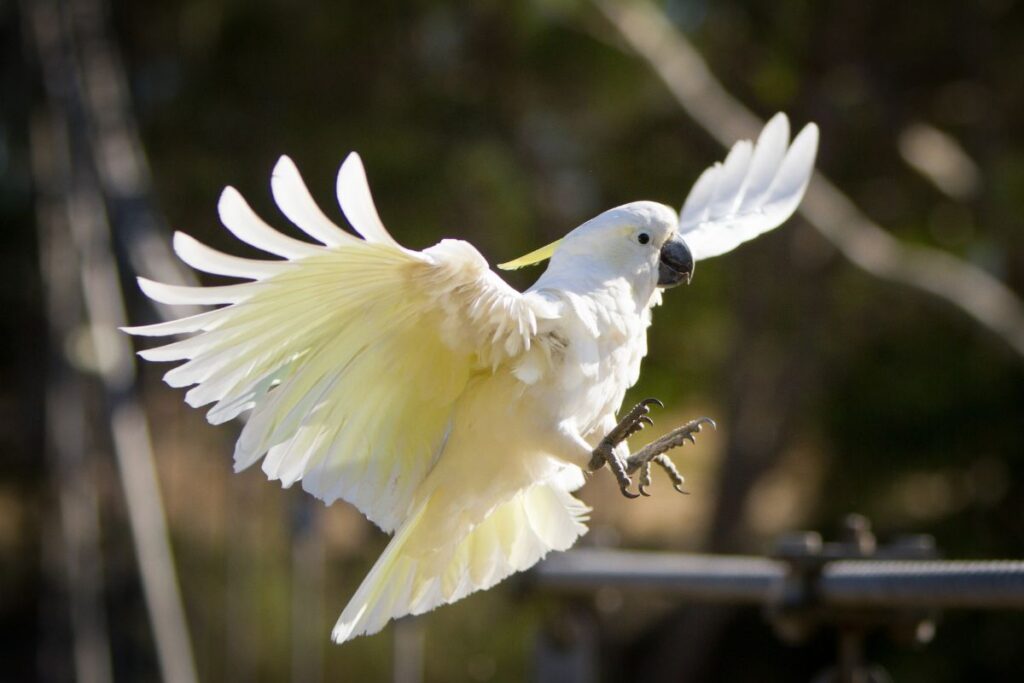
cockatoo flying

And finally, I’ve heard people say solar farms or large rooftop installations drive birds away from their habitats. While there can be issues with big reflective surfaces in desert areas overseas, here in Australia the research suggests most native birds adapt quite quickly. Problems, when they arise, tend to be specific to certain species or poor design choices.

The Actual Risks

That’s not to say solar and birds never clash. They do, but often in predictable ways.

The most common issue I’ve come across is nesting underneath panels. Pigeons, in particular, love the sheltered space between a roof and a solar array. Once established, they leave behind droppings and nesting materials that can block drainage or even create fire risks. Cockatoos can also cause headaches—they’re notorious for chewing wiring and fittings out of curiosity.

There’s also the build-up of droppings, which reduces the efficiency of panels. This is less about direct harm to birds and more about maintenance for homeowners. It’s one reason professional services like solar panel pressure cleaning in Melbourne and other cities are growing in demand. Regular cleaning not only restores performance but also deters birds from sticking around.

Reflection and glare are sometimes raised as risks, but in reality this is rare on residential rooftops. It tends to be more of a concern with very large installations, and even then, proper panel design usually prevents problems.

Designing Bird-Friendly Solar Setups

What I’ve learned is that most issues aren’t about birds versus solar—it’s about installation choices. A well-designed system can minimise conflict and still generate plenty of clean power.

  • Professional installation matters. Secure mounting reduces gaps where pigeons can nest. Panels installed too loosely or with large gaps underneath are far more inviting to birds.
  • Protective mesh or guards can be fitted around the edges to keep birds from accessing the space beneath panels. They’re discreet and effective.
  • Using durable materials and cabling makes a difference too, especially in places like Perth where cockatoos are known for their destructive curiosity.
  • Finally, regular roof maintenance is essential. Partnering with experienced roofing contractors in Perth or local solar specialists ensures small problems are fixed before they become major ones.

For me, these aren’t just technical fixes—they’re part of designing a home that works with nature, not against it.

The Bigger Picture: Why Solar Helps Birds

It’s worth remembering why solar exists in the first place. By switching to clean energy, we reduce greenhouse gas emissions, cut down on pollution, and lower our reliance on fossil fuels. That has enormous benefits for birdlife, especially species affected by climate change and habitat destruction.

Think of migratory shorebirds that depend on healthy coastlines, or black cockatoos in WA whose feeding habitats are already under pressure. Every tonne of carbon saved through renewable energy helps ease the strain on ecosystems they rely on. In this sense, solar panels aren’t a threat to birds—they’re part of the solution.

And on a smaller scale, households that go solar often embrace other sustainable choices too. Native gardens, water conservation, and habitat-friendly design all create a richer environment for local wildlife. I love the idea that a rooftop full of panels can sit alongside a backyard full of flowering natives, with honeyeaters and fairy-wrens visiting daily.

Conclusion

So, do solar panels and birds mix? The truth is, they already do. In most cases, panels are just another perch or shaded nook in a city full of them. The real challenges—nesting pigeons, cockatoo damage, or dirty panels—are problems with practical fixes. Mesh guards, sturdy materials, professional cleaning, and smart design all keep things in balance.

What excites me is that solar isn’t just about powering homes; it’s about creating a sustainable future where people and wildlife both benefit. With thoughtful choices, we can have rooftops that capture the sun’s energy while still leaving room for the birds above us.

Next time you see a cockatoo strutting across a panel or a swallow swooping nearby, take it as a reminder: our cities are shared spaces. And with care, they can support both clean energy and the feathered life that makes Australia so unique.
Native Trees & Gardens for Birds and People

There’s something special about a garden that hums with life. The flicker of a wren darting through shrubs, the call of a honeyeater at dawn, the rustle of leaves as a breeze stirs the canopy—these moments remind me that a garden can be more than decoration. It can be habitat.

When we fill our yards with native plants and trees, we’re not just adding greenery; we’re building a refuge for local wildlife and a peaceful place for ourselves. Native gardens are living spaces where birds, insects, and people can coexist—and the more we understand their rhythms, the more rewarding these gardens become.

Why Choose Native Plants and Trees

Native species are built for Australia. They thrive in local soils, withstand harsh summers, and often need little watering once established. That means less maintenance, fewer chemicals, and more resilience in the face of changing weather.

But perhaps the most important reason to choose native plants and trees is what they offer to birds. Trees in particular are the backbone of any healthy ecosystem. They provide food through nectar, seeds, and the insects that gather in their bark and leaves. They also offer shelter from predators, safe nesting sites, and shaded roosts in hot weather.

I’ve watched black cockatoos feeding on banksia cones and parrots nesting in hollows of old eucalypts—reminders of how deeply birds depend on trees. Unfortunately, as more mature trees are lost from our suburbs, these resources become scarce. It’s one reason I always suggest thinking carefully before cutting down a tree. Sometimes removal is unavoidable for safety reasons, but it’s worth consulting a qualified tree removal specialist in Brisbane Northside  or your local area to assess whether trimming or pruning might be a better option. Protecting mature trees where possible keeps vital habitat in our neighbourhoods.

What Birds Gain from Native Gardens

Birds need more than just a lawn and a few flowers. A diverse native garden can support them year-round by offering:

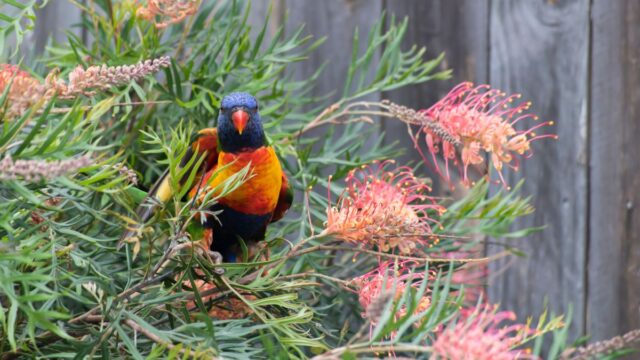
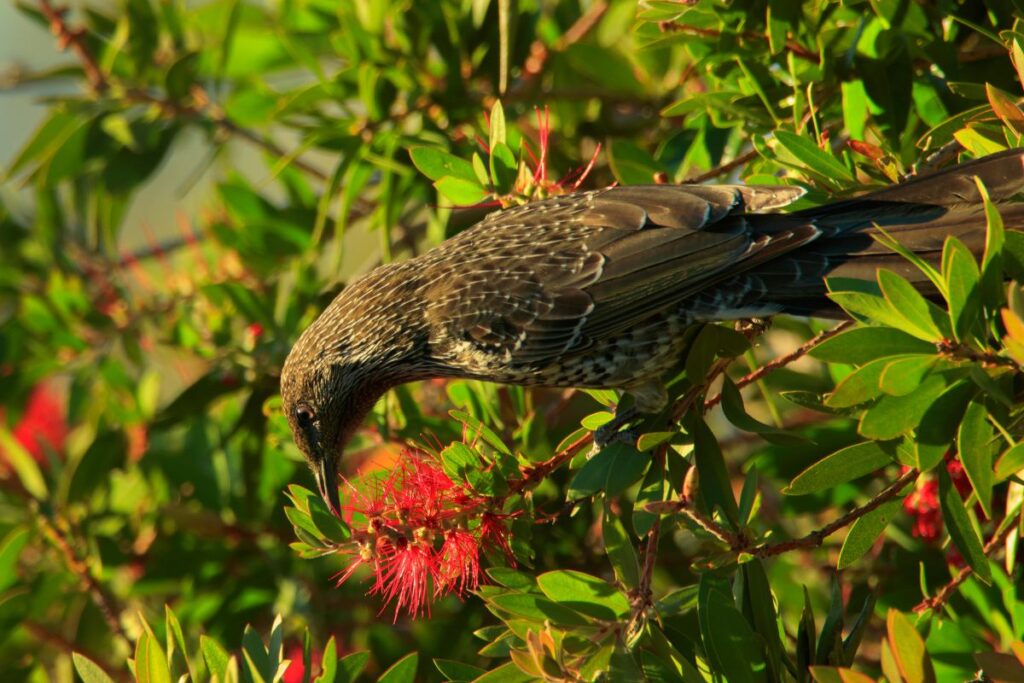
  • Food: Flowering shrubs and trees like grevilleas, callistemons, and banksias produce nectar for honeyeaters, while grasses and fruiting species provide seeds and berries.
  • Shelter and nesting: Dense shrubs give small birds safe hiding spots, and larger trees with hollows support parrots, kookaburras, and cockatoos.
  • Insects: A mix of plants encourages a healthy insect population—essential food for insect-eaters like fairy-wrens and robins.

When a garden has layers—from canopy trees to shrubs and groundcovers—it creates a balanced mini-ecosystem. Every level attracts different species, and together they bring the garden to life.

bird on banksia tree

What People Gain

Native gardens don’t just serve wildlife—they give back to us too. There’s the practical side: lower water bills, reduced maintenance, and plants that cope with local conditions. But there’s also something deeper. Watching seasonal flowers bloom, hearing birdsong in the morning, and seeing new life unfold creates a sense of connection that’s hard to find elsewhere.

Trees, especially, bring comfort and calm. They shade our homes, cool the air, and mark time through the year. Sitting beneath a marri or paperbark tree, surrounded by native shrubs buzzing with pollinators, I always feel more grounded and present.

Designing a Bird-Friendly Native Garden

Every region of Australia has its own palette of native plants and trees, so the best approach is to work with what grows naturally in your area. In Perth, for instance, banksias, grevilleas, and kangaroo paws add both beauty and birdlife. In Brisbane, bottlebrushes, lilly-pillies, and eucalypts thrive in subtropical gardens.

A few simple steps go a long way:

  • Include a mix of trees, shrubs, and groundcovers to create layers of habitat.
  • Add a birdbath or shallow water source, especially during dry months.
  • Avoid pesticides and fertilisers that harm insects and pollinators.
  • Use mulch, rocks, or logs to encourage lizards and insects—both part of a healthy food chain.

If space allows, even one or two trees can make a difference. A flowering gum or grevillea hedge might become a regular stop for honeyeaters. A tall eucalypt could host nesting parrots or a tawny frogmouth resting in the shade.

Finding Balance Between People and Wildlife

A well-planned native garden can be as welcoming to people as it is to birds. Shady seating under a canopy tree, winding paths between flowering shrubs, or a quiet corner for morning coffee all make the space enjoyable for us too.

It’s about sharing, not surrendering. When we plant with intention—thinking about both beauty and habitat—we create gardens that are more resilient, more sustainable, and far more alive.

Conclusion

Native gardens remind us that caring for nature doesn’t require a national park—it can start in our own backyard. By planting local species, keeping mature trees where possible, and designing with both people and wildlife in mind, we help rebuild the networks birds rely on.

Even small gardens can make a difference. A few flowering shrubs, a birdbath, or a single mature tree can turn a sterile yard into a sanctuary. And in return, we’re rewarded with colour, song, and the quiet satisfaction of knowing our space is part of something bigger.

When we garden with native plants and trees, we don’t just grow greenery—we grow connection. And that’s something both birds and people need.

Seasonal Birds to Watch in WA – What Species Appear in Summer vs Winter

Western Australia is a vast state, stretching from the tropical Kimberley in the north to the windswept coastline of the Great Southern. With such extremes in climate, the birdlife shifts noticeably from season to season. As someone who’s spent countless hours birdwatching here, I’ve learned that paying attention to the time of year can make all the difference to what you’ll see.

This guide looks at some of the standout species that appear in summer and winter across WA, while keeping in mind that conditions vary hugely between the north, the southwest, and everything in between – even an urban area such as Perth offers plenty of great bird watching.

Why Seasons Matter

Birds are tied to seasonal rhythms—migration, breeding, and feeding patterns all respond to changes in temperature, rainfall, and food availability. Some species are resident year-round, but their behaviours change with the seasons. Others are migrants that only arrive for part of the year, travelling incredible distances to do so.

In WA, summer often means searing heat in the interior and long, dry days in the southwest. For the far north, it’s the wet season with heavy rain and high humidity. Winter flips the story: cooler and wetter in the south, while the north stays relatively dry and mild. These differences create opportunities for birdwatchers to see species at specific times and places.

Summer Birds

Summer can feel harsh in much of WA, but it’s also a time of colour and activity. Some of my favourite sightings happen in the warmer months.

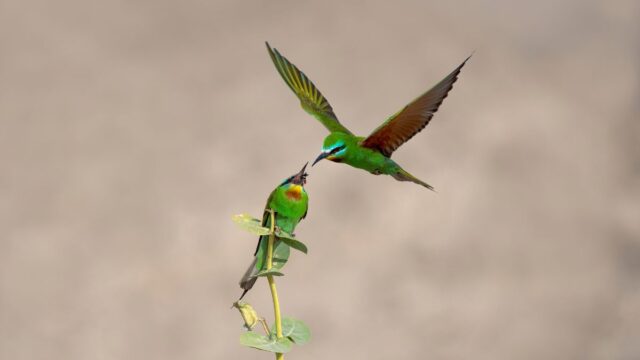
Rainbow Bee-eaters are one of the stars of summer. These stunning little birds migrate south from northern Australia and Asia to breed here. If you’re walking through sandy areas, keep an eye out for the burrows they dig to raise their young. Their bright plumage and acrobatic insect-catching flights are always a thrill to watch.

Another summer arrival is the Dollarbird, named for the round white patches on its wings that flash like silver coins in flight. They migrate from Papua New Guinea and Indonesia to breed in northern and central WA, and their glossy blue-green feathers catch the sunlight beautifully.

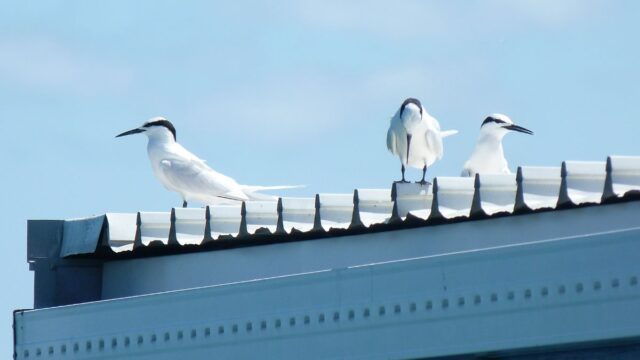
On the coast, colonies of Fairy Terns gather to breed in summer. These delicate seabirds can often be spotted nesting on sandy beaches, especially around the southwest coastline. They’re small, noisy, and endlessly busy as they fish and feed their young.

And of course, summer skies often carry the sight of Wedge-tailed Eagles soaring on thermals. While they’re present year-round, the rising heat creates perfect flying conditions, making them easier to spot as they circle above open country.

Winter Birds

When the cooler months arrive, the birdscape shifts again. For many of us in the southwest, winter is the season of the Carnaby’s Black-Cockatoo. These endangered cockatoos move into the Perth region and surrounding areas in search of food, feeding on banksia cones, pine seeds, and native grevilleas. Their calls echo across suburbs and farmlands, and for me, winter doesn’t feel complete without hearing them overhead.

Winter-flowering plants also draw in species like New Holland Honeyeaters and Singing Honeyeaters. They’re especially active around gardens, parks, and reserves where native shrubs provide nectar at a time of year when other food sources are limited.

Smaller insectivores, such as pardalotes, also seem more visible in winter as they busily forage in eucalypts. Their tiny size makes them tricky to spot, but their high-pitched calls give them away.

Along the coast, winter brings migratory seabirds like shearwaters. These long-distance travellers appear off WA’s shores as part of their global journeys, offering a reminder of how connected our birdlife is to the wider world.

Year-Round Residents with Seasonal Twists

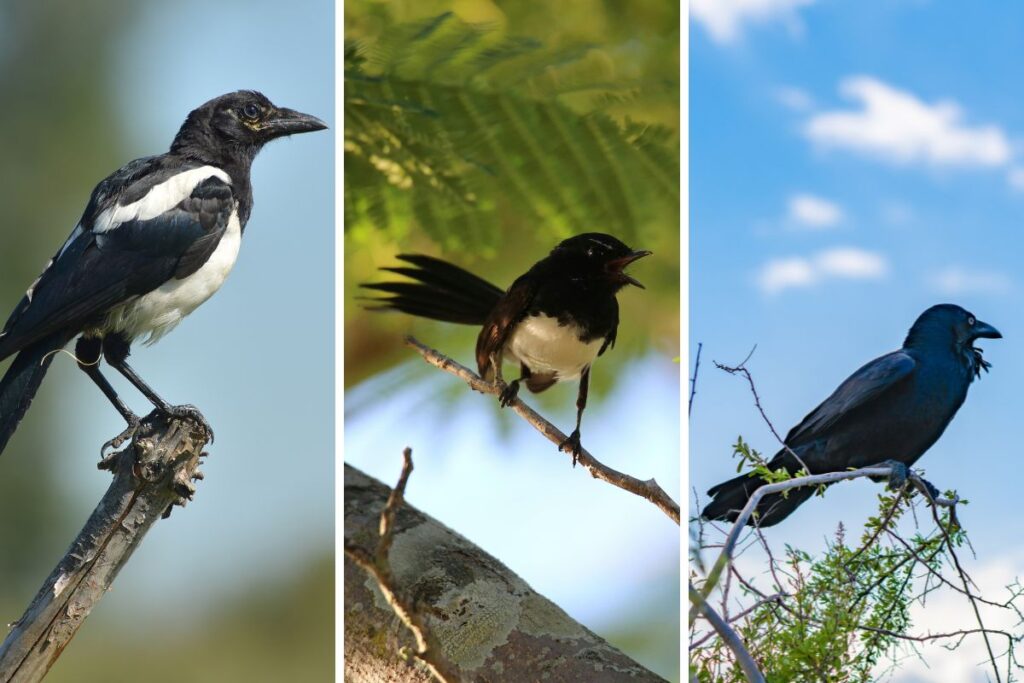
Not every bird disappears when the seasons change, but many shift their behaviours. Magpies are a classic example—present all year but especially noticeable in late winter and spring when they become territorial during breeding. Willie Wagtails are also active year-round, their tail-flicking antics familiar in backyards and parks, though they seem more vocal in the warmer months. Even the ever-present Australian Raven changes with the seasons, its calls carrying more during the quieter winter mornings.

Magpies Willie Wagtails Australian Raven

Tips for Seasonal Birdwatching

One of the joys of birding in WA is the sheer variety from one region to another. To make the most of seasonal changes, I’d suggest:

  • Timing your outings: Early mornings and late afternoons are always the best times, especially in the heat of summer.
  • Planning for the region: Head north in the dry season (winter) for easier travel and great birding, while the southwest shines in spring and winter when flowers bloom and food is plentiful.
  • Joining local groups: BirdLife Australia and community birdwatching clubs often run seasonal surveys and outings, which can help you learn what’s active at the moment.
  • Keeping a journal: Tracking what you see across the seasons builds a personal record and makes birdwatching even more rewarding.

Conclusion

Western Australia’s birdlife is as diverse as its landscapes. Whether it’s rainbow bee-eaters and fairy terns in the heat of summer, or black-cockatoos and honeyeaters in the cool of winter, each season brings its own highlights. The sheer size of WA means no two regions are quite the same, and part of the adventure is discovering how birds adapt to local conditions. For me, tuning into these seasonal shifts is part of what makes birdwatching so special. It’s a reminder that nature moves in cycles, and that each time of year offers something new to notice. Wherever you are in WA—north, south, or somewhere in between—there’s always a reason to look up and see who’s sharing the season with you.

Birds and Rooftops: Surprising Species That Call Our Cities Home

When most people look at rooftops, they think of tiles, gutters, or maybe the solar panels catching the sun. I’ve spent enough time birdwatching in cities to know there’s something else happening up there too. Rooftops, whether in Perth or any other Australian city, have become unexpected habitats for a surprising mix of birds. From agile swallows to noisy cockatoos, our urban skylines are alive with wings.

I like to think of rooftops as miniature ecosystems. They might not replace forests or wetlands, but they give certain species a safe, elevated spot to rest, nest, and watch the world below. Some of these birds are native Australians that have learned to live alongside us. Others are newcomers that thrive in almost any built environment. Let’s look at who you’re most likely to see sharing your rooftops.

Why Rooftops Work for Birds

Birds, like everyone else, need homes. Rooftops offer them protection from ground predators, height to spot prey or food, and in some cases, warm surfaces that make life a little more comfortable – just like a cosy home. Cities change the landscape dramatically, but they also create new opportunities. The tall sides of buildings act like cliffs, the eaves mimic natural ledges, and the scattered greenery of parks provides food sources. It’s no wonder so many species have made the shift to our built environments.

Native Birds on Rooftops

Some of our most recognisable native birds are now regular rooftop visitors.

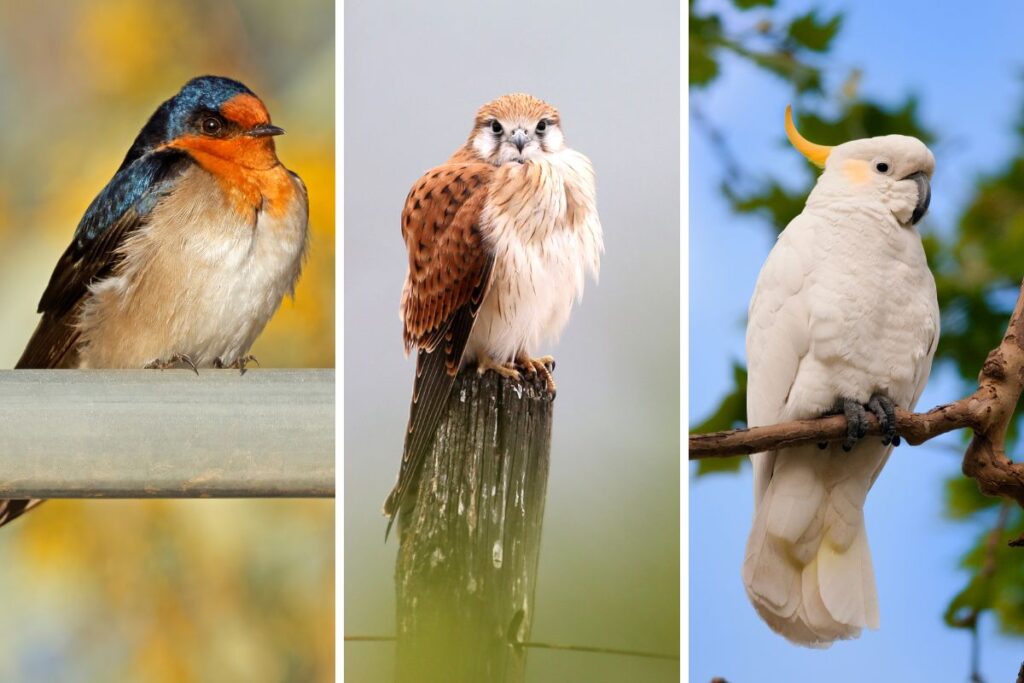
Take the Welcome Swallow. Their mud nests are often tucked under eaves or verandas, and it’s hard not to admire their fast, darting flights as they snap insects out of the air. They’re just as at home around a suburban roofline as they are near rivers or open paddocks.

Then there’s the Nankeen Kestrel, one of my personal favourites to spot. These small falcons are masters of hovering in the air before diving on their prey. In cities, tall buildings are the perfect substitute for cliffs, giving them the height they need to scan for small mammals and insects. It still amazes me to see a raptor so at home above the traffic lights and rooftops.

And of course, Cockatoos—whether it’s sulphur-crested cockatoos, galahs, or corellas—are impossible to ignore. They gather noisily in large groups, sometimes perching on rooftops as if they own the place. Their intelligence and curiosity make them fascinating, but it’s not always good news for homeowners. Cockatoos are known to chew timber, wiring, and even fittings around solar panels. I’ve heard more than a few stories from roofing contractors in Perth who’ve been called in to repair cockatoo-related roof damage. Still, their presence is such an iconic part of urban Australia that it’s hard to imagine our cities without them.

Welcome Swallow Nankeen Kestrel Cockatoos

Invasive Rooftop Residents

Not all rooftop birds are native. The most obvious example is the feral pigeon, or rock dove. These birds were introduced in the 1800s and have since claimed every ledge, parapet, and solar panel frame they can find. Their adaptability is unmatched, and that’s part of the problem. Pigeons thrive in massive numbers, leaving droppings that can damage buildings and create hygiene concerns.

It’s worth pointing out that not all pigeons in Australia are pests. We have native species like the crested pigeon, which tends to prefer open ground and doesn’t gather in the same overwhelming numbers. But when it comes to rooftops, it’s the feral pigeons that dominate.

The Good and the Challenges for Roofing Maintenance

There’s a joy in seeing birds adapting to urban life. It reminds me that nature is never entirely pushed aside, even in the busiest city streets. Swallows flitting under rooftops, kestrels using skyscrapers as hunting towers, cockatoos chattering away at dusk—these are sights that connect us back to the wild.

But there are challenges too. Nesting in gutters can block drainage. Droppings from pigeons or cockatoos can wear away surfaces and leave roofs looking messy. In some cases, birds damage solar panels or wiring, creating headaches for homeowners. It’s a balancing act: appreciating the life above us while taking care of our properties.

Living Under the Same Roof

The good news is that coexistence is possible. Here are a few simple steps that make a difference:

  • Encourage native birds by planting local shrubs and trees rather than feeding birds directly. This gives them safe food and shelter without creating overdependence.
  • Provide water sources like bird baths in the garden, which can keep them from relying too heavily on rooftops for rest.
  • Stay mindful of nesting seasons—many birds are protected, and interfering with nests is not only harmful but illegal in some cases.
  • Keep up with roof and solar panel maintenance so small problems don’t become big ones. A professional inspection now and then can save both you and the birds from trouble.

Looking Up

Rooftops aren’t just part of the skyline—they’re part of a hidden city habitat. Some of our most beloved native species and a few stubborn invasive ones are right above our heads, using the structures we build in ways we rarely notice.

Next time you’re walking through Perth, Sydney, or any Australian city, take a moment to look up. You might see swallows dipping through the air, a kestrel hovering with purpose, or a cheeky cockatoo watching you with curiosity. Even pigeons, for all their reputation, tell a story of how adaptable life can be.

For me, spotting birds on rooftops is a reminder that nature and urban life are never entirely separate. Our cities are full of hidden wings if we only take the time to notice.